Behind the Build: A 16-Foot Animatronic Puppet for AJR’s Live Tour
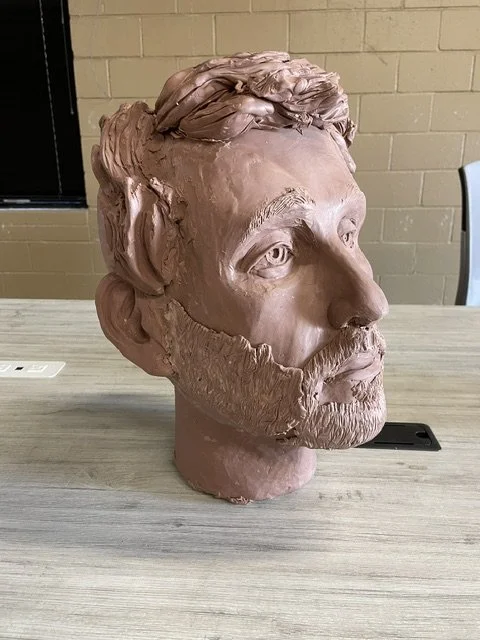
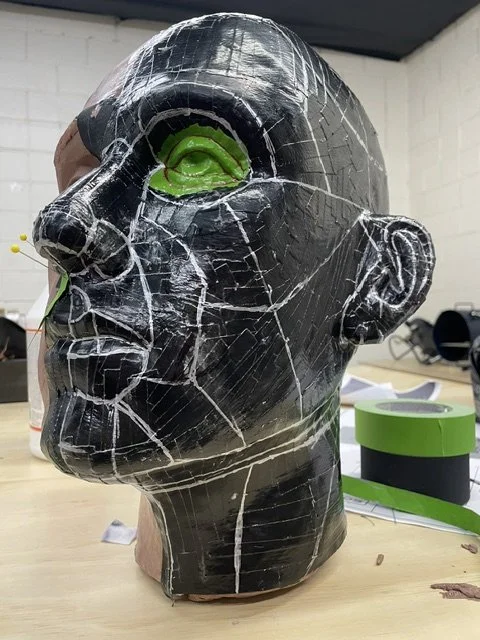
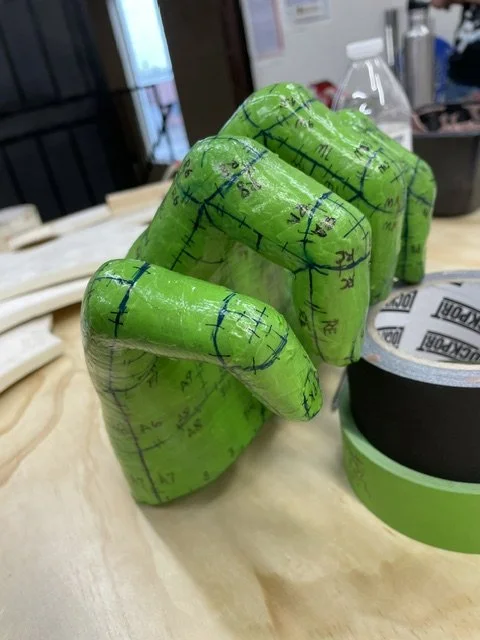
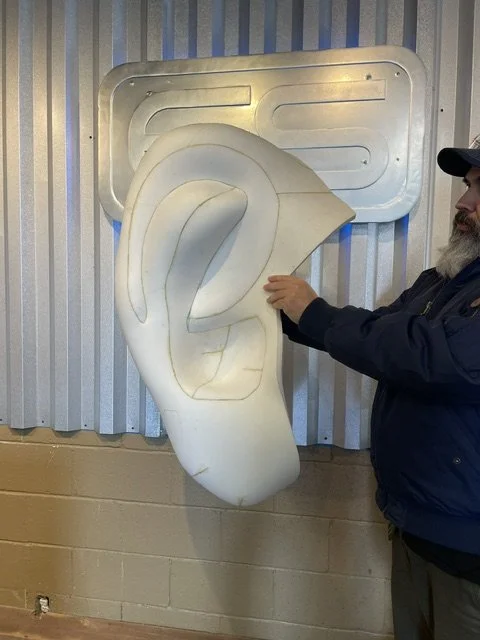
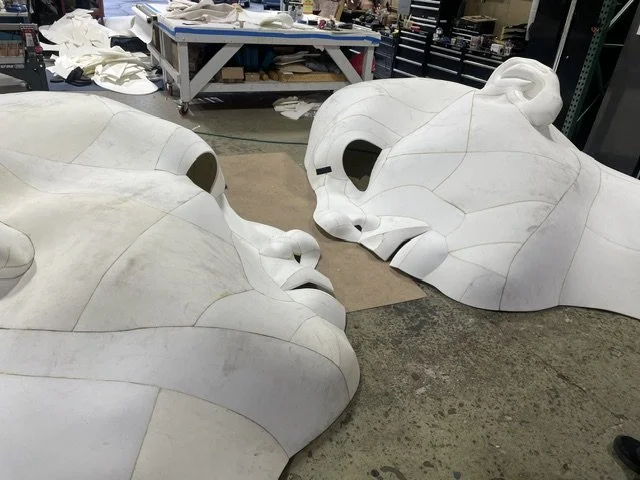
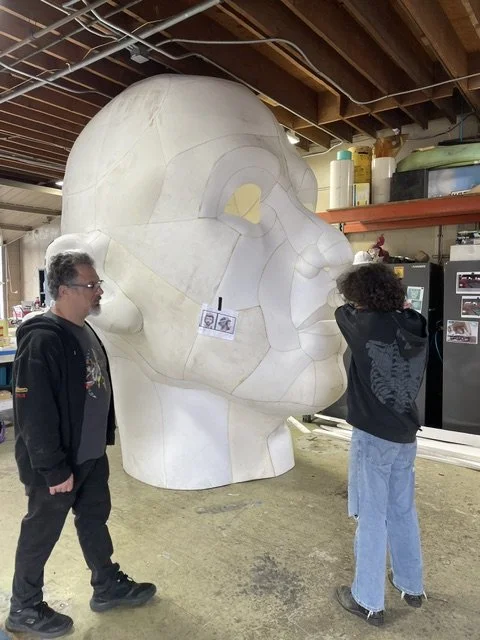
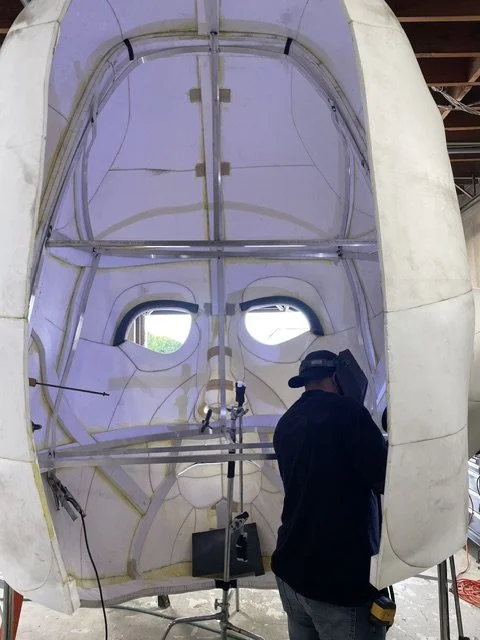
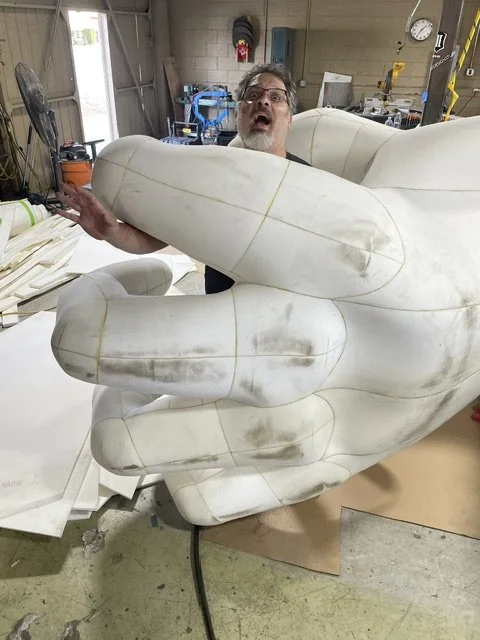
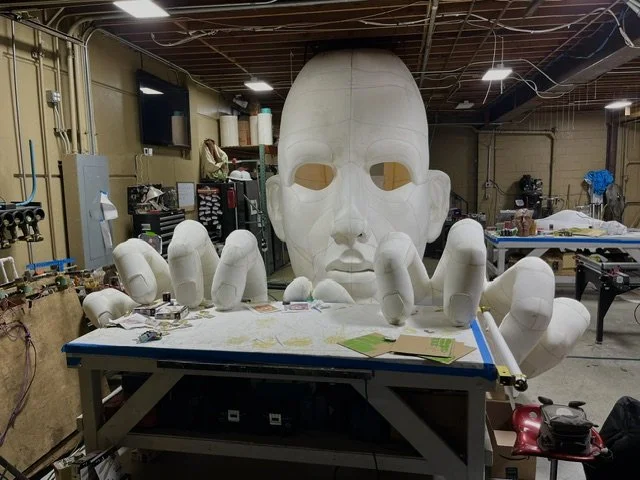
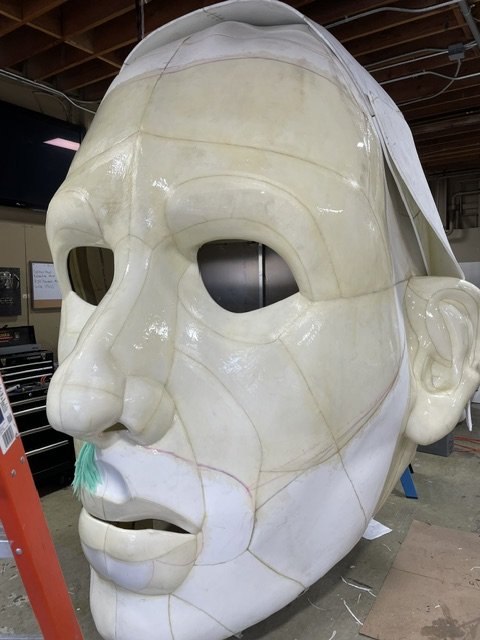
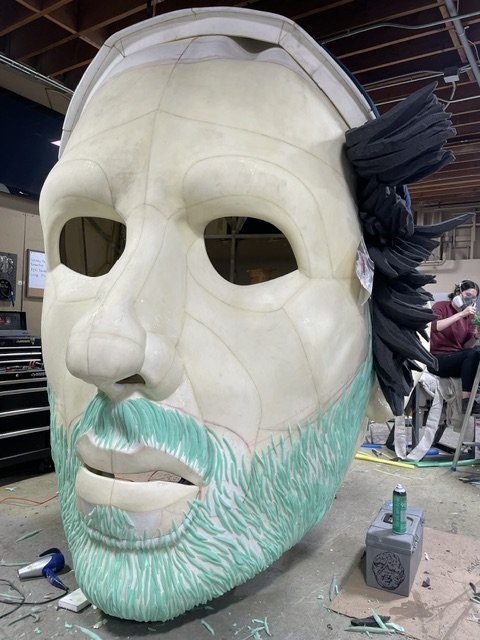
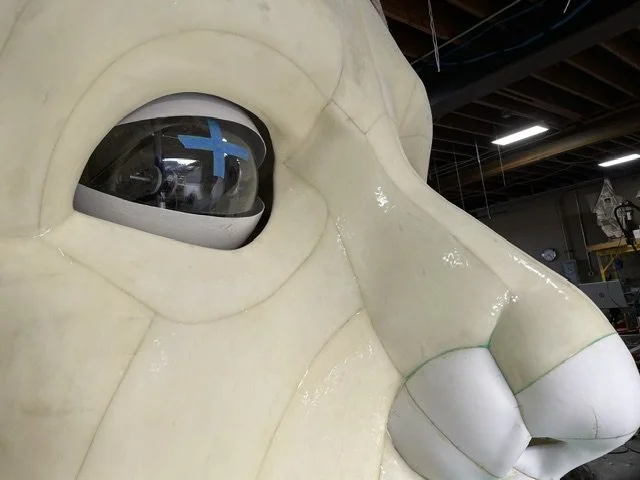
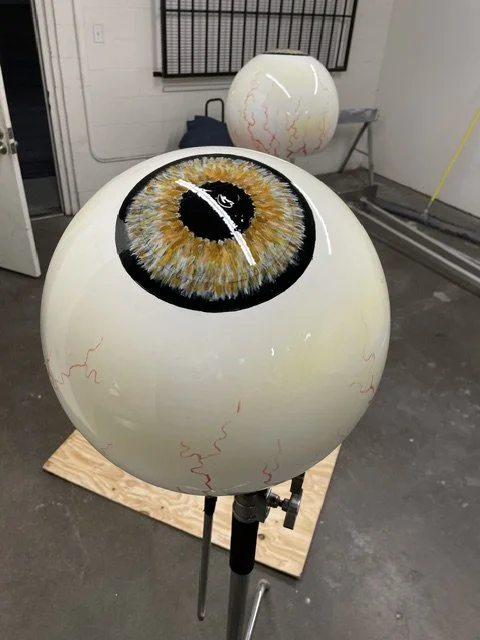
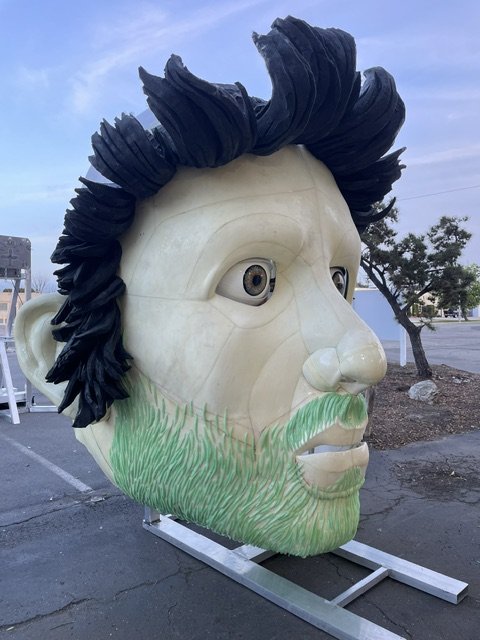
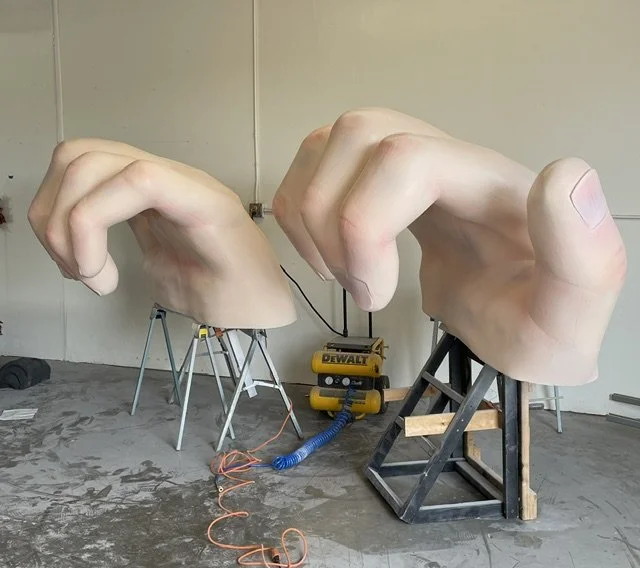
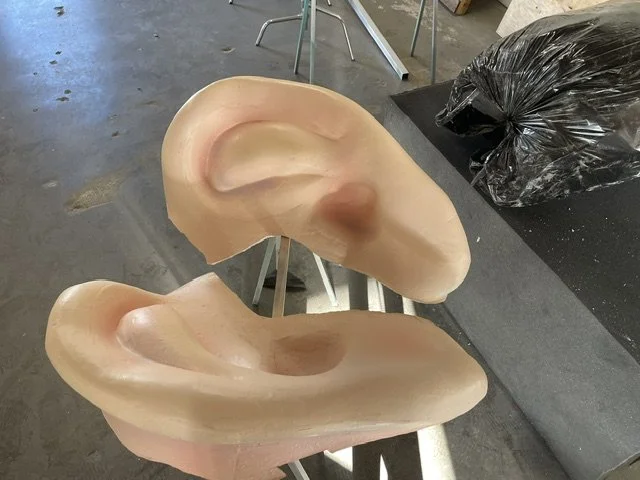
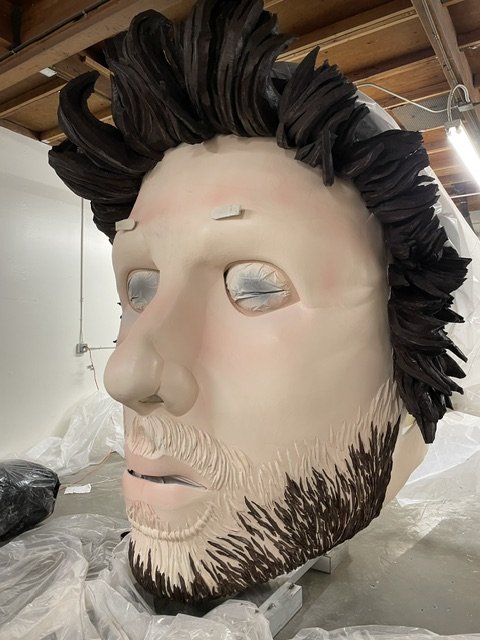
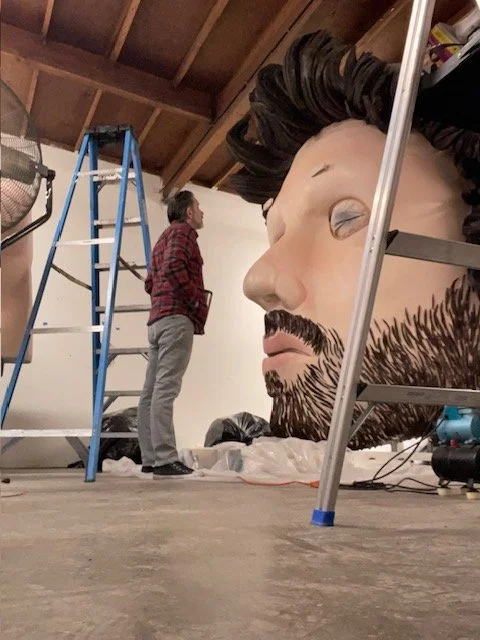
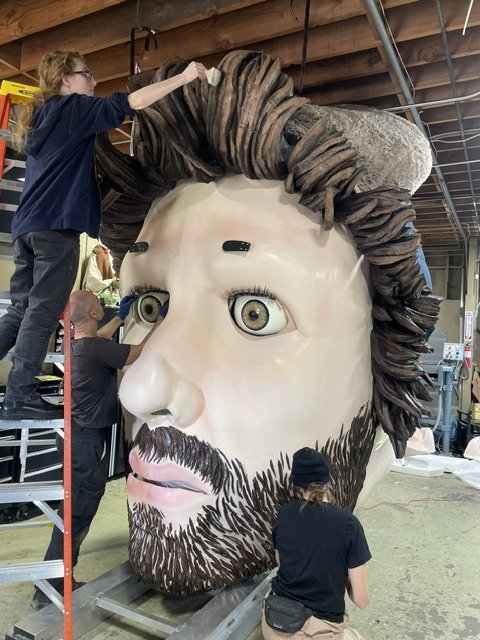
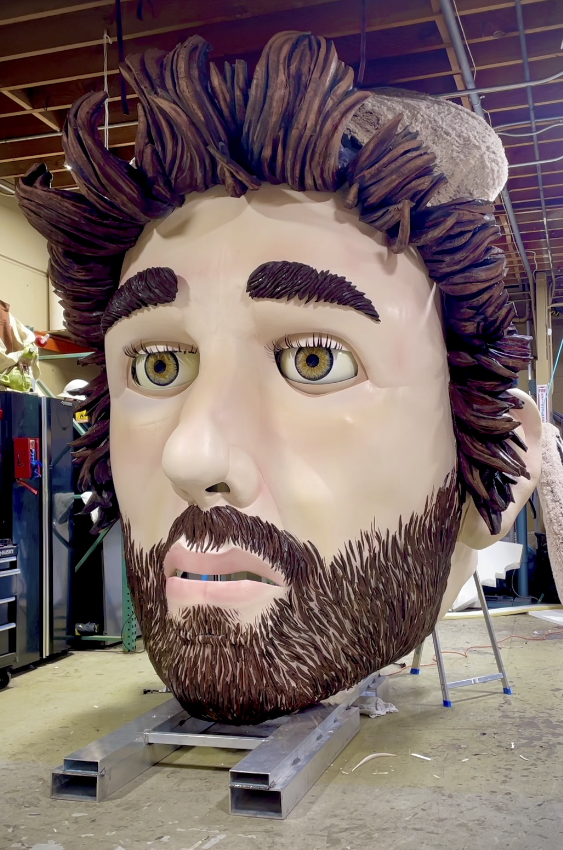
Creating a prop for a live concert tour is very different from building something that only needs to work for a photograph or a few seconds on camera. A touring piece must make an immediate visual impact, perform reliably in front of a live audience, and withstand transportation, assembly, operation, and maintenance in multiple venues.
Encirco Studios was brought in to create a 16-foot animatronic puppet of Jack Met for AJR’s live tour. The character would appear for only about 30 seconds during the grand finale, but it needed to deliver one of the biggest visual moments of the entire production.
Four Weeks to Build It From Scratch
Our team was originally given six weeks to complete the project. By the time the design process was finalized and fabrication could officially begin, the actual build schedule had been reduced to four weeks.
To meet the deadline, we organized crews in shifts and kept the shop operating around the clock. By working 24 hours a day, we were able to fit close to an additional week of production time into the schedule. It was an intense build, but it allowed the different parts of the project to move forward at the same time. While one group worked on the internal structure and mechanics, other artists could focus on the puppet’s exterior, finishing, controls, and performance details.
The puppet was fabricated primarily from aluminum, L200 foam, and plastics. These materials gave us a combination of strength, reduced weight, flexibility, and durability. Weight was especially important because the puppet needed to travel, be assembled repeatedly, and remain suspended above the stage until its cue.
Creating Movement at a Large Scale
The puppet included head pan and tilt, mouth movement, blinking eyes, eyebrow movement, and eyes that could look up, down, left, and right. At 16 feet tall, even a seemingly simple movement becomes a significant mechanical and performance challenge.
The goal was not simply to make the puppet move. The different functions needed to work together so the character felt expressive and alive. A small change in the eyes, eyebrows, mouth, or angle of the head could completely change the emotion of the performance.
The puppet required two puppeteers working together. One puppeteer stood on a custom platform built inside Jack’s head and physically controlled the head movement. A monitor was installed inside the head so she could see and evaluate her performance from the audience’s perspective, even though she was enclosed within the puppet.
A second puppeteer worked offstage using a remote-control system to operate the facial movements. The head and face were controlled separately, so both performers had to remain in sync. The timing between them was essential. When the movements worked together, the puppet felt like a single character rather than two independently operated systems.
Designing the Grand Finale Reveal
The puppet’s entrance was another major part of the challenge. To create a smooth and unexpected reveal, the completed figure had to remain suspended in the rigging above the stage, out of the audience’s view, until the correct moment in the show. On cue, it would be lowered into position for the finale.
Although the puppet appeared for only about 30 seconds, every part of the system had to function correctly. There was no opportunity to stop, reset, or try the effect again in front of a live audience. The rigging, puppet mechanisms, controls, lighting, music, stage cues, and performances all had to come together at exactly the right time.
The figure was also designed as a modular system so it could be separated for transportation, moved between venues, reassembled, inspected, and serviced throughout the tour. It needed to look seamless when assembled while remaining practical for the touring crew to handle.
A Last-Minute Challenge in Pennsylvania
Once the puppet arrived at the rehearsal stage in Pennsylvania, the production crew attempted to suspend it from the overhead rigging. That was when everyone discovered that the space where the puppet needed to remain hidden before its reveal was tighter than anticipated.
The puppet had to be modified to fit within the available area, but the changes could not affect its appearance, movements, structural integrity, or ability to perform. The rehearsal and production schedule also could not be delayed.
Within a couple of hours of receiving the call, members of our team were on their way to Pennsylvania. They worked for a full day at the rehearsal stage to make the necessary modifications. The puppet was adjusted successfully without changing its appearance or sacrificing any of its movement or performance capabilities.
That moment reflects an important part of fabrication that clients do not always see. Even with careful planning, drawings, measurements, and testing, one-of-a-kind projects can present unexpected challenges when they enter the real production environment. The job is not only to create the piece. It is also to respond quickly, stay calm, and find a solution without compromising the project.
From the Workshop to 56 Live Shows
The completed puppet went on to perform in 56 shows around the country. AJR’s approach to the production was highly cinematic, with carefully planned staging, visuals, transitions, and even projected credits recognizing the many people who helped bring the show to life.
The band was extremely generous and invited our team to attend the show. Seeing the puppet perform as part of the finished production was a meaningful experience for everyone who worked on it. Something that had consumed our shop around the clock for four weeks appeared onstage for only 30 seconds, but those 30 seconds created a memorable finale for thousands of people.
The project also introduced us to artists and fabricators who became friends and continued working with Encirco Studios as freelancers. Many of these artists have contributed their skills to respected organizations and productions including The Jim Henson Company, Bob Baker Marionette Theater, and many others.
Every Project Is Different, but the Process Is the Same
Clients sometimes ask us, “Have you ever done anything exactly like this before?”
The honest answer is that every custom project is different. That is the nature of this work. The scale changes, the materials change, the performance requirements change, and new problems always appear along the way.
What remains consistent is our process. We study the idea, determine what the finished piece needs to accomplish, bring together the right artists and fabrication methods, test the systems, solve the unexpected problems, and make it happen.
The 16-foot AJR puppet brought together character design, structural fabrication, foam construction, animatronics, remote controls, live puppetry, touring logistics, stage rigging, and a demanding four-week schedule. In the end, everything came together, the reveal worked, and the finished production was magical.
That is what we enjoy most about practical fabrication: creating something physical that once existed only as an idea and watching it become part of an experience people will remember.